
Timor-Leste's capital, Dili, is embarking on a crucial journey to modernize its transport infrastructure, moving from traditional traffic management to cutting-edge technology. Faced with increasing urbanization, rising vehicle numbers, and subsequent Traffic Congestion, the government is implementing Intelligent Transport Systems (ITS) to enhance both road safety and efficiency. This shift represents a strategic priority, aiming to build a safe, comfortable, and modern transport system aligned with the nation's development goals.
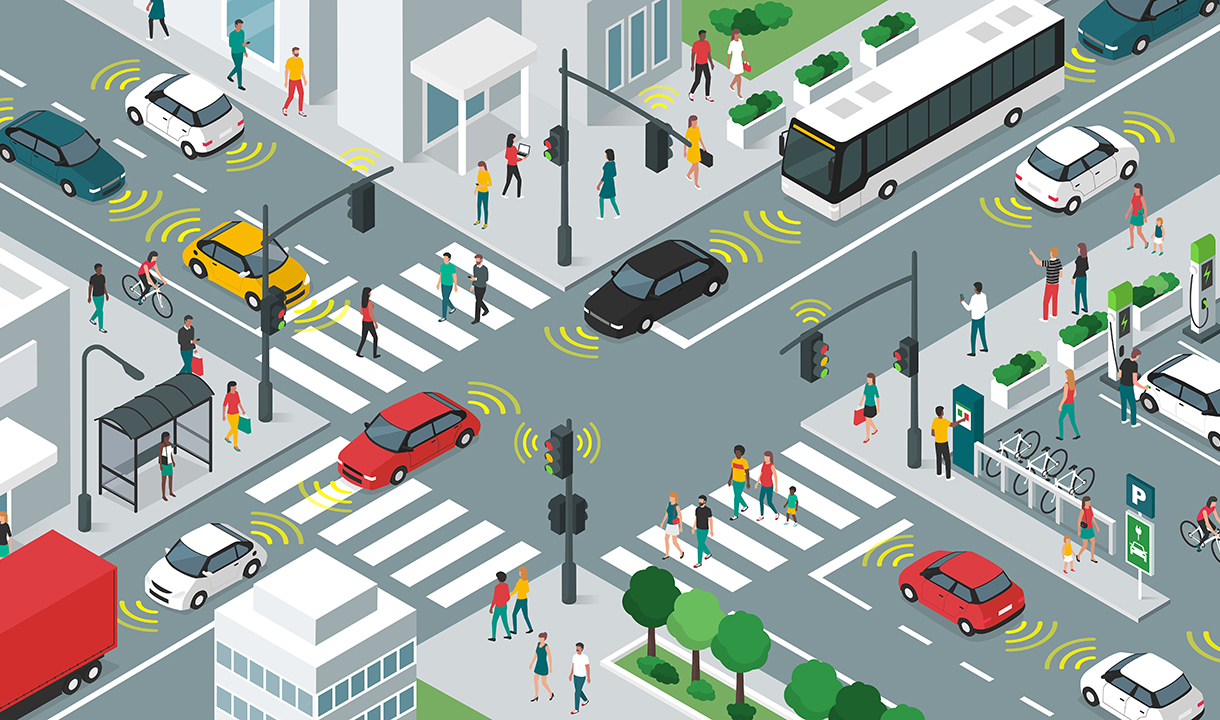
The transition, marked by the official launch of a new road traffic control system in late 2025, is a major commitment to transforming Dili Urban Mobility. This system is not just about new traffic lights; it integrates sophisticated technology designed to create a genuinely smart and responsive road network.
Enhancing Safety through Intelligent Transport Systems
The primary impact of these systems is a direct reduction in traffic accidents. Intelligent Transport Systems leverage technology to preempt human error and prioritize Vulnerable Road Users.
Real-Time Monitoring and Enforcement
The new control system integrates Real-time Traffic Monitoring via vehicle classification detectors and license plate recognition sensors. This technology allows authorities to collect detailed data on traffic flow and instantly identify traffic rule violations. By providing factual evidence for targeted enforcement, the system is expected to promote greater civic awareness and discipline among drivers of cars and motorcycles. This immediate feedback loop is vital for cultivating a long-term Road Safety Culture in Dili.
Inclusive Infrastructure for Pedestrians
A key innovation is the inclusion of audible signals in the new smart traffic lights. This is a powerful commitment to Inclusive Infrastructure, allowing visually impaired people to cross roads more safely. By integrating features that prioritize Pedestrian Safety—a group often at high risk in mixed-traffic environments—the system helps reduce accidents and reinforces a culture of respect for all road users, including those with special needs.
Reducing Congestion and Boosting Efficiency
The efficiency gains from adopting Intelligent Transport Systems are transformational. Traditional fixed-time traffic signals often fail during peak hours, creating unnecessary bottlenecks.
The new system addresses this by using sensors and algorithms to adapt signal timings to real-time traffic conditions. By dynamically adjusting the light cycle, the ITS can optimize traffic flow across major intersections, significantly reducing the amount of time vehicles spend idling in Traffic Congestion. Studies in similar contexts show that dynamic traffic control can reduce travel times by up to 25% and minimize idling time, which also has a positive environmental impact by cutting down on harmful emissions. Furthermore, the introduction of new, strategically located public transport stops aims to better organize bus circulation, making public transport a more reliable alternative and further reducing private vehicle dependence—a necessary step for future-proofing Dili Urban Mobility.
This technological adoption, while requiring significant investment, ensures that Timor-Leste is building a responsive and predictive transport system. For global automotive and logistics interests looking to understand infrastructure development in emerging markets, platforms like AsiaCarGroup often track these critical advancements. The implementation of Intelligent Transport Systems marks a clear, technology-driven commitment to a safer and more efficient future for Dili.
What do you think is the single most valuable feature of these new Intelligent Transport Systems for the average citizen in Dili: the reduction in Traffic Congestion or the enhanced Pedestrian Safety features like audible signals? Share your priority in the comments below!