
Timor-Leste faces an opportunity: transitioning to low-cost EVs could cut household fuel bills, reduce urban air pollution, and link transport to renewable energy goals. For a small island nation with limited road networks and concentrated urban centers, affordable electric cars and bikes can deliver outsized environmental and economic benefits.
Practical advantages of low-cost EVs
Lower running costs and simpler maintenance
One of the clearest benefits of low-cost EVs is reduced operational expense. Electricity—even when grid reliability is imperfect—can cost much less per kilometer than imported petrol. For families and small businesses, savings on fuel and simpler drivetrains mean low-cost EVs can be more affordable over the vehicle’s lifetime.
Fit for short-distance travel patterns
Most trips in Dili and nearby districts are short—perfect conditions for low-cost EVs with modest ranges. Compact electric vehicles and e-bikes match daily commuting and errand patterns, making them practical first-step technologies for green mobility.
Key barriers to scale low-cost EVs
Charging and grid reliability
A primary hurdle to mainstreaming low-cost EVs is charging access. Outside urban pockets, public chargers are scarce and grid outages can be frequent. Addressing this requires strategic deployment of chargers, prioritizing solar-plus-storage at community hubs to support low-cost EVs even off-grid.
Affordability and financing
Even low-priced EVs can stretch household budgets. Effective financing—installment plans, battery-leasing schemes, or targeted subsidies—will be essential to make low-cost EVs reachable for broader segments of the population.
Policy and market steps to accelerate low-cost EVs
Incentives and import facilitation
Policymakers can accelerate adoption of low-cost EVs by offering reduced import duties for entry-level EVs and parts, tax breaks for fleet purchases, and simpler registration for electric two-wheelers. These moves lower upfront costs and stimulate market supply.
Pilot fleets and public procurement
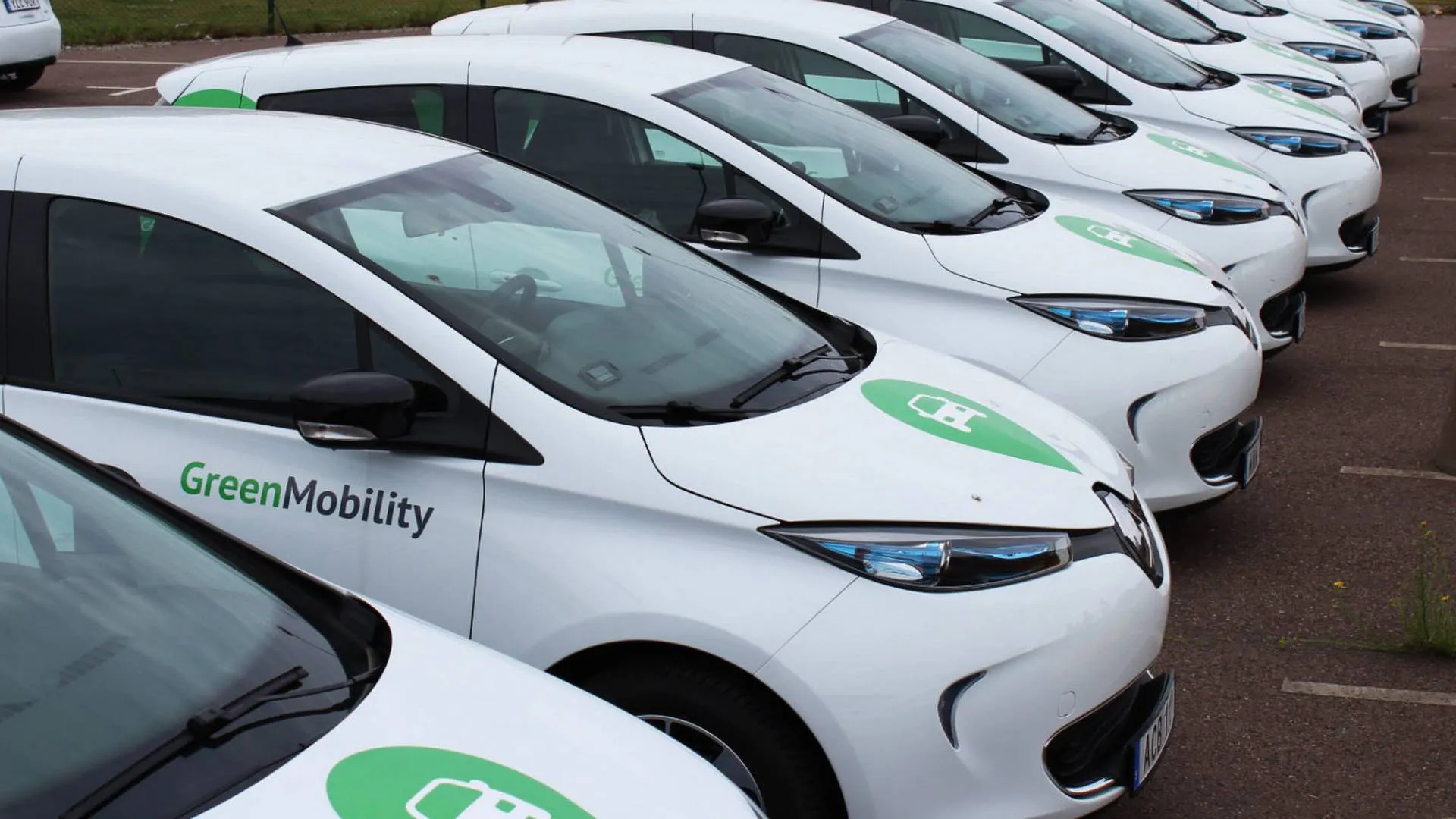
Introducing low-cost EVs in public fleets—taxis, municipal vehicles, and utility fleets—creates visible demonstrations of feasibility while supporting local service ecosystems. Fleet demand can help justify initial charger rollouts and technician training.
Building supply chains and local capacity for low-cost EVs
Local maintenance networks, spare-parts availability, and technician training are critical. Encouraging regional partnerships to import proven entry-level EV models, while training mechanics locally, will help ensure low-cost EVs aren’t just sold but sustained.
Platforms like Asia Car Group’s portal can help Timorese buyers compare low-cost EVs options, understand total cost of ownership, and find models suited to island conditions.
Can Timor-Leste leap into green mobility by focusing on affordable electric vehicles? If you lived in Dili or a district town, would you choose a low-cost EV or an e-bike next? Share your thoughts and practical ideas in the comments — your voice helps shape a cleaner, more connected future.