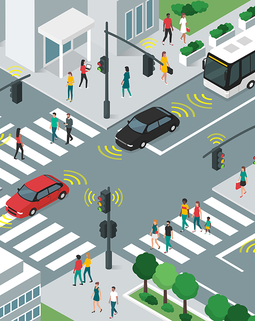


Timor-Leste is embracing a transformative shift in urban mobility as the capital, Dili, integrates Intelligent Transport Systems Timor-Leste to modernize its road network. With rising vehicle numbers and increasing traffic congestion, the government is adopting advanced technology to enhance road safety, streamline traffic flow, and create a responsive urban transport environment.
Enhancing Road Safety
The primary benefit of Intelligent Transport Systems Timor-Leste is improving safety for all road users. The system prioritizes vulnerable road users, including pedestrians and cyclists, while reducing human error-related accidents. Smart traffic lights with audible signals support visually impaired individuals, reinforcing inclusive infrastructure and making streets safer for everyone.
By implementing real-time traffic monitoring with vehicle classification detectors and license plate recognition sensors, authorities can quickly identify traffic violations and enforce regulations more effectively. This data-driven approach promotes civic awareness and builds a long-term road safety culture in Dili.
Reducing Traffic Congestion
Traffic congestion has long been a challenge for Dili’s expanding urban population. Traditional fixed-time signals often fail to respond to fluctuating traffic, causing bottlenecks and increasing idle time for vehicles.
Intelligent Transport Systems Timor-Leste use adaptive signal algorithms to optimize traffic flow, dynamically adjusting light cycles based on real-time conditions. Studies in similar urban contexts suggest that such systems can cut travel times by up to 25%, reduce vehicle idling, and lower harmful emissions.
Additionally, strategically placed public transport stops improve bus circulation, encouraging the use of public transit and reducing reliance on private cars. This approach strengthens Dili Urban Mobility and future-proofs the city’s transport network.
Inclusive and Future-Ready Infrastructure
Beyond traffic efficiency, Intelligent Transport Systems Timor-Leste incorporate features that support inclusive urban design. Audible pedestrian signals, adaptive crosswalks, and monitoring for traffic violations ensure that all road users, especially those with special needs, are protected.
By combining real-time monitoring, adaptive traffic management, and inclusive infrastructure, Dili is setting a benchmark for modern urban mobility in emerging markets. Platforms like AsiaCarNews closely track such advancements, providing insights for automotive and logistics stakeholders worldwide.
The Takeaway
The adoption of Intelligent Transport Systems Timor-Leste demonstrates a clear commitment to safer, more efficient, and inclusive urban transportation. Citizens benefit from reduced traffic congestion, enhanced pedestrian safety, and a road network designed for the future.
What do you think is the most valuable feature of Dili’s new ITS: reducing traffic congestion or prioritizing pedestrian safety? Share your thoughts in the comments below!